Best graphic design assets serve as the very foundation upon which a recognizable and aesthetically pleasing appearance for any modern creative project is built. In an era dominated by visual content, where a first impression is formed in a fraction of a second, the quality of the materials you use determines the success of your brand. Whether you are designing a social media profile, creating product packaging, or developing a unique web design, it is professional-grade graphic assets that allow you to stand out from the competition. In this guide, we explore the 7 essential elements that every designer should have in their toolkit.
1. Seamless Patterns: The Core of Visual Infinity
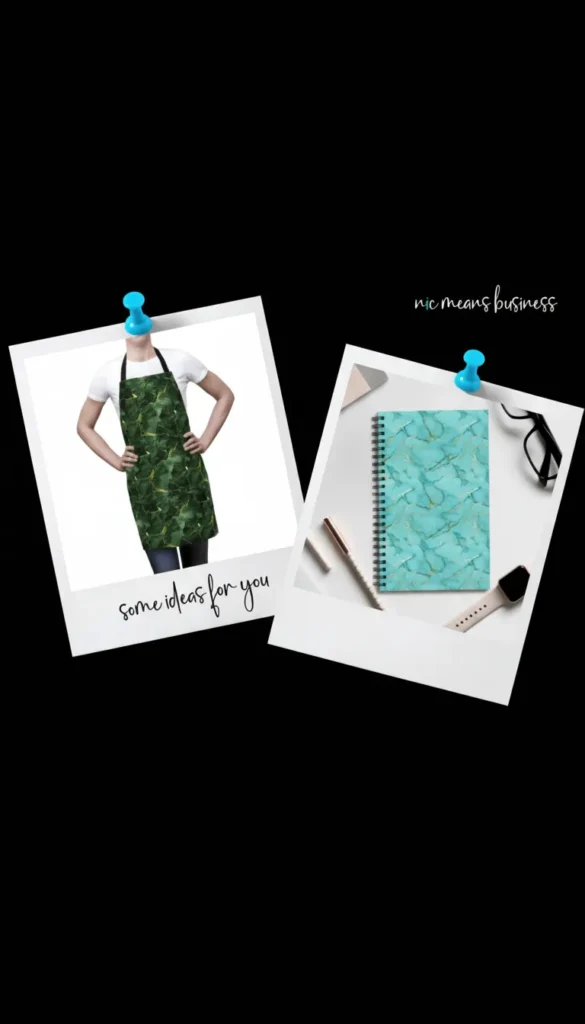
One of the most powerful tools in a designer’s arsenal is the seamless pattern. Their technical brilliance lies in the fact that the edges of the image align perfectly with one another, allowing you to fill areas of any size without visible seams or interruptions in the design. This makes the best graphic design assets in the form of patterns indispensable for creating website backgrounds, printing on textiles, or developing custom wrapping paper.
2. High-End Textures That Add Depth
Clean, flat color is a classic choice, but often a design lacks «character.» To fix this, professionals turn to textures. They add a sense of volume and tactility to a flat digital image. When you integrate high-quality textures, such as marble, gold foil, or craft paper effects, you instantly move your project into a more premium category. Textures allow you to play with the consumer’s senses, evoking feelings of luxury, history, or innovation.
3. Social Media Icons and Elements
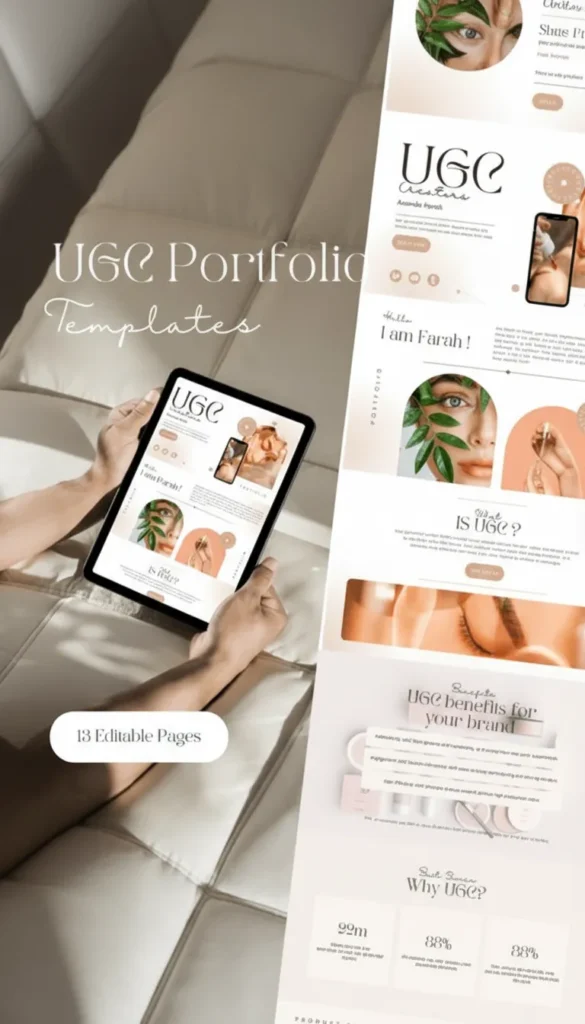
For those growing their projects on Pinterest or Instagram, having a collection of ready-to-use elements is critically important. Our Creative Workshop account shows that the audience reacts much more actively to aesthetically designed pins that use stylish icons. These small details help guide the viewer’s eye and make complex information easier to digest at a glance.
4. Decorative Frames and Trendy «Blobs»
Modern design often relies on organic, irregular shapes known as «blobs» and decorative frames to add a touch of personality. These best graphic design assets help break the rigidity of standard layouts. They serve as perfect backdrops for product photos or as accent pieces in social media stories, ensuring your content looks curated rather than generic.
5. High-Resolution Standards (300 DPI)
A technical asset is only as good as its quality. When selecting graphics, the resolution is a non-negotiable factor. For your work to look professional, your assets must meet the 300 DPI standard. This is a mandatory requirement for high-quality printing. If a file has a lower resolution, pixels will appear when printed, ruining the impression of the final product.
6. Versatile Vector Formats (AI and EPS)
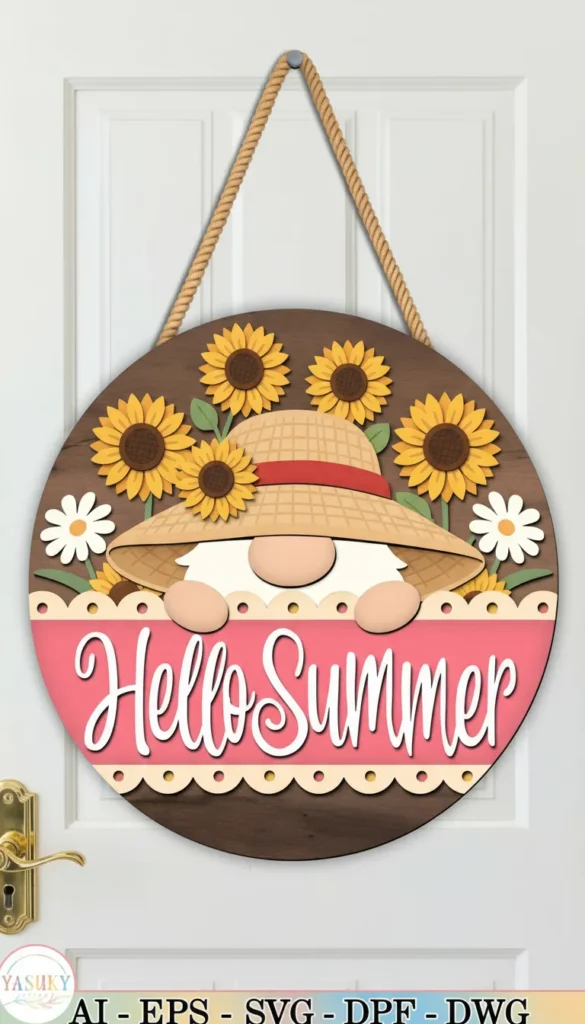
Versatility is key to scaling a business. Vector formats like AI and EPS are among the best graphic design assets because they can be scaled to any size—from a business card to a massive billboard—without any loss of quality. This flexibility allows you to adapt your branding to any medium without ever needing to recreate the original artwork.
Commercial Licensing for Business Safety
The final, and perhaps most important, asset is the legal right to use your graphics. Investing in materials with an official commercial license allows you to legally sell your work on platforms like Etsy or offer design services to outside clients. Using verified sources like Creative Fabrica ensures that your business is protected from legal risks, allowing you to focus entirely on the creative process.
Conclusion
Your visual brand is the first thing a potential client sees. High-quality graphics are capable of communicating your project’s values before a person even reads the first headline. By using these 7 best graphic design assets, including professional patterns and textures, you create a foundation that will work for you for years to come. Experiment with styles, keep an eye on the technical quality of your sources, and let your creativity always find a response in the hearts of your audience.